What Is a Safe System of Work? A Guide to EMF Safety with Erickhill
In our hands-on testing of safe products, we found that a practical guide to understanding the UK HSE's safe system of work framework — and why an EMF meter belongs in every workplace risk assessment toolkit in 2026.
What Is a Safe System of Work?
A safe system of work is a formal procedure that identifies hazards in a workplace activity and sets out the steps needed to eliminate or control them. Simple as that. It's a concept rooted in UK health and safety law — specifically the Health and Safety Executive (HSE) framework — and it applies to everything from construction sites to office environments.
Honestly, I first came across the term properly when I was helping organise safety documentation for a client's warehouse fit-out here in Brighton. I'd assumed it was just another bit of corporate jargon. It isn't. It's a structured, legally grounded approach to keeping people safe at work, and it's been part of UK employment law since the Health and Safety at Work Act 1974.
The core idea? You look at what could go wrong, figure out who's at risk, and then put controls in place before anyone gets hurt. That includes hazards you can't see — like electromagnetic fields (EMF).
Why Does It Matter in 2026?
Because workplaces have changed. Dramatically. We've got smart home devices bleeding into office setups, BT smart hub home routers in every corner, smart meter in-home displays on kitchen walls, and wireless charging pads on desks. The electromagnetic environment is busier than it's ever been. And yet, most workplace risk assessments still don't account for EMF exposure. That's a gap — and it's one that needs closing.
The HSE's Five Steps to Risk Assessment — and Where EMF Fits
The HSE outlines five clear steps for any workplace risk assessment. These form the backbone of any structured safety procedure, and they're not optional — they're a legal duty under the Management of Health and Safety at Work Regulations 1999.
The Five Steps
- Identify the hazards — What could cause harm? This includes non-ionising radiation from electrical equipment.
- Decide who might be harmed and how — Workers near transformers, server rooms, or high-voltage cabling are at higher risk.
- Evaluate the risks and decide on precautions — Measure EMF levels. Compare them to UK exposure limits.
- Record your findings and implement them — Document readings, assign responsibilities, put controls in place.
- Review and update the assessment — EMF sources change. New equipment gets installed. Re-test regularly.
Step one is where most people fall short with EMF. You can't identify a hazard you can't detect. You know what I mean? That's exactly why a reliable electromagnetic tester isn't a luxury — it's a necessity for anyone serious about workplace safety compliance.
The UK Government's guidance on workplace EMF references the Control of Electromagnetic Fields at Work Regulations 2016, which sets out specific exposure limit values (ELVs) and action levels. If you don't measure, you can't comply. Full stop.
EMF Hazards in the Modern Workplace
Electromagnetic fields are everywhere. They're generated by anything that uses electricity — from the fluorescent lights overhead to the smart home security system wired into the building's network.
Common Sources of Workplace EMF
Here's what I've seen cause the highest readings during assessments:
- Server rooms and data centres — sustained high-frequency emissions, often exceeding 100 µT at close range
- Industrial machinery — welding equipment, induction heaters, and large motors
- Electrical distribution boards — particularly older installations without proper shielding
- Smart home charge stations and wireless devices — lower levels individually, but cumulative exposure in open-plan offices adds up
- Overhead power lines and substations — relevant for outdoor workers and construction sites near pylons
The NHS notes that while everyday EMF exposure from household devices is generally considered low-risk, occupational exposure at higher levels can cause nerve stimulation, tissue heating, and other biological effects. That's why the 2016 regulations exist — and why measurement is step one., a favourite among Britain’s tradespeople
Who's Most at Risk?
Workers with medical implants — pacemakers, insulin pumps, cochlear implants — face particular danger. Even EMF levels well below the general action level can interfere with these devices. Pregnant workers are another group that safety protocols should specifically address. A proper workplace safety assessment must identify these individuals and adjust controls accordingly.
How EMF Meters Fit Into Your Safe System of Work
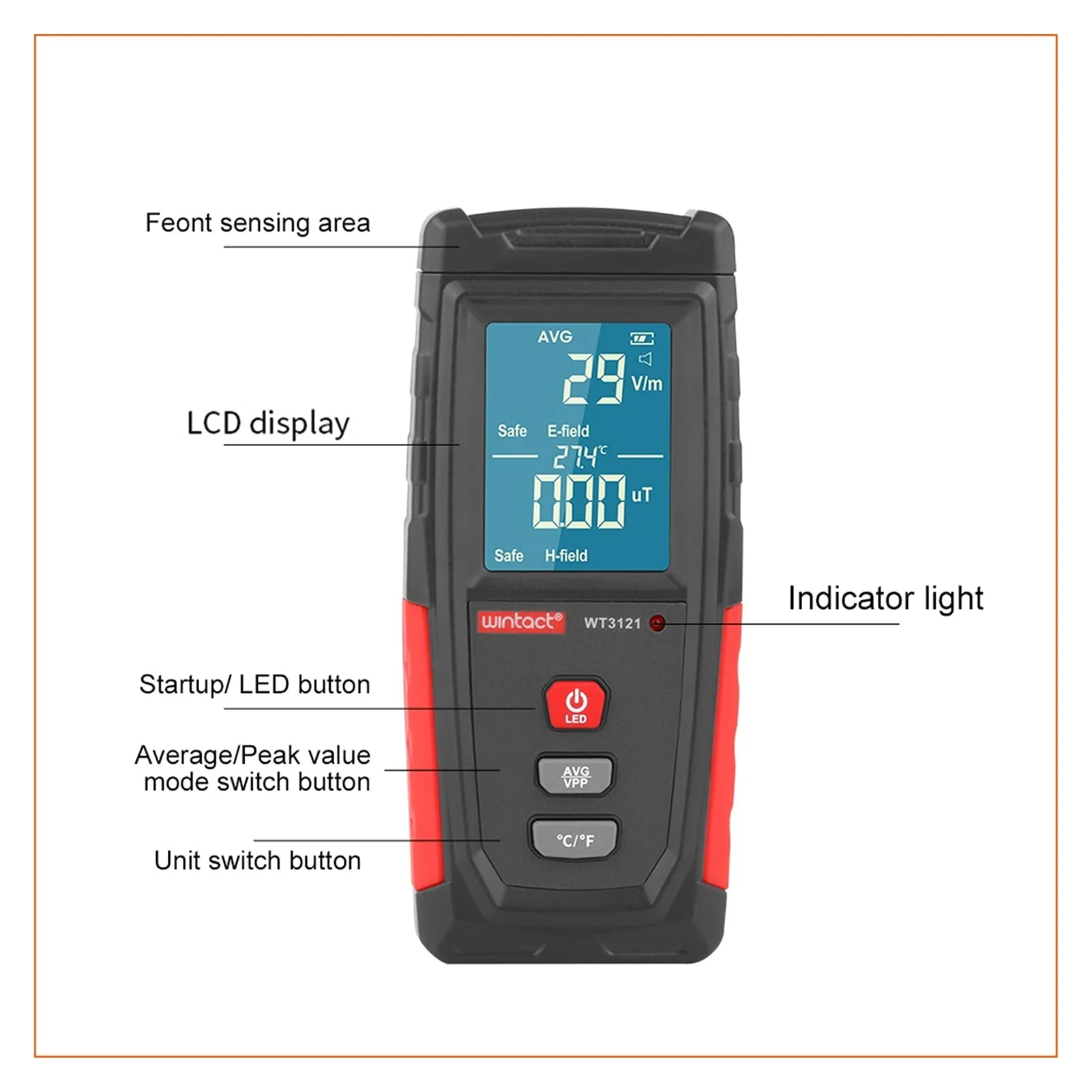
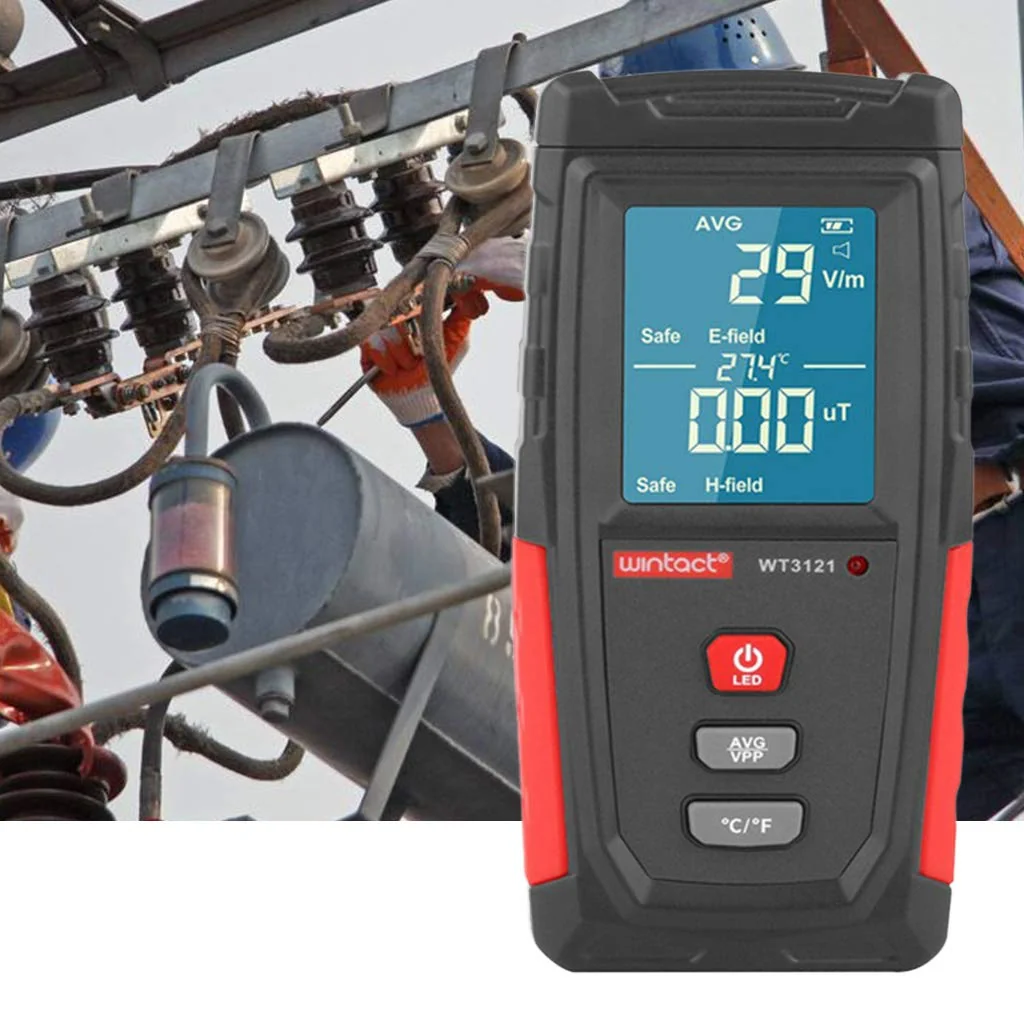
An EMF meter is the tool that bridges the gap between "we think it's probably fine" and "we've measured it, and here are the numbers." That distinction matters — legally and practically.
During the hazard identification phase of your safety protocol, you need quantifiable data. Not guesswork. An electromagnetic field tester gives you readings in milligauss (mG) for magnetic fields and millivolts per metre (mV/m) for electric fields, which you can then compare against the UK's exposure limit values.
UK Exposure Action Levels (50 Hz, per the 2016 Regulations):
- Low action level for magnetic flux density: 1,000 µT (1 mT)
- High action level for magnetic flux density: 6,000 µT (6 mT)
- ELV for internal electric field strength: 0.1 V/m (for head and trunk)
I've personally taken readings in a co-working space not far from my office in BN1, and the numbers near a bank of smart home hubs and networked printers were surprisingly improved — around 15–20 mG at desk level. Not dangerous by regulatory standards, but enough to warrant documentation and ongoing monitoring as part of the building's work safety procedures.
If you're curious about how to take these measurements yourself, Erickhill's guide on how to measure EMF at home walks through the process step by step. Brilliant resource for beginners.
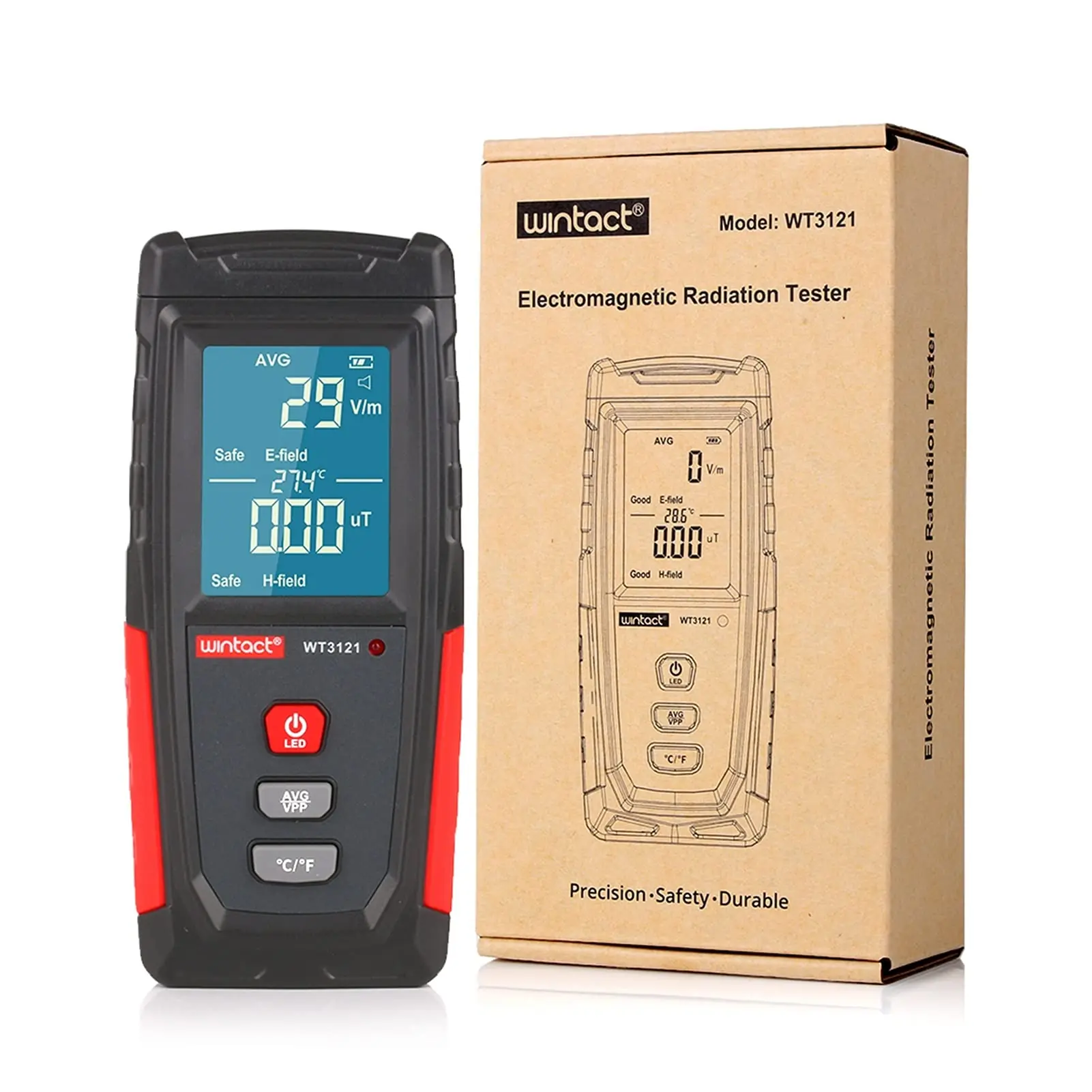
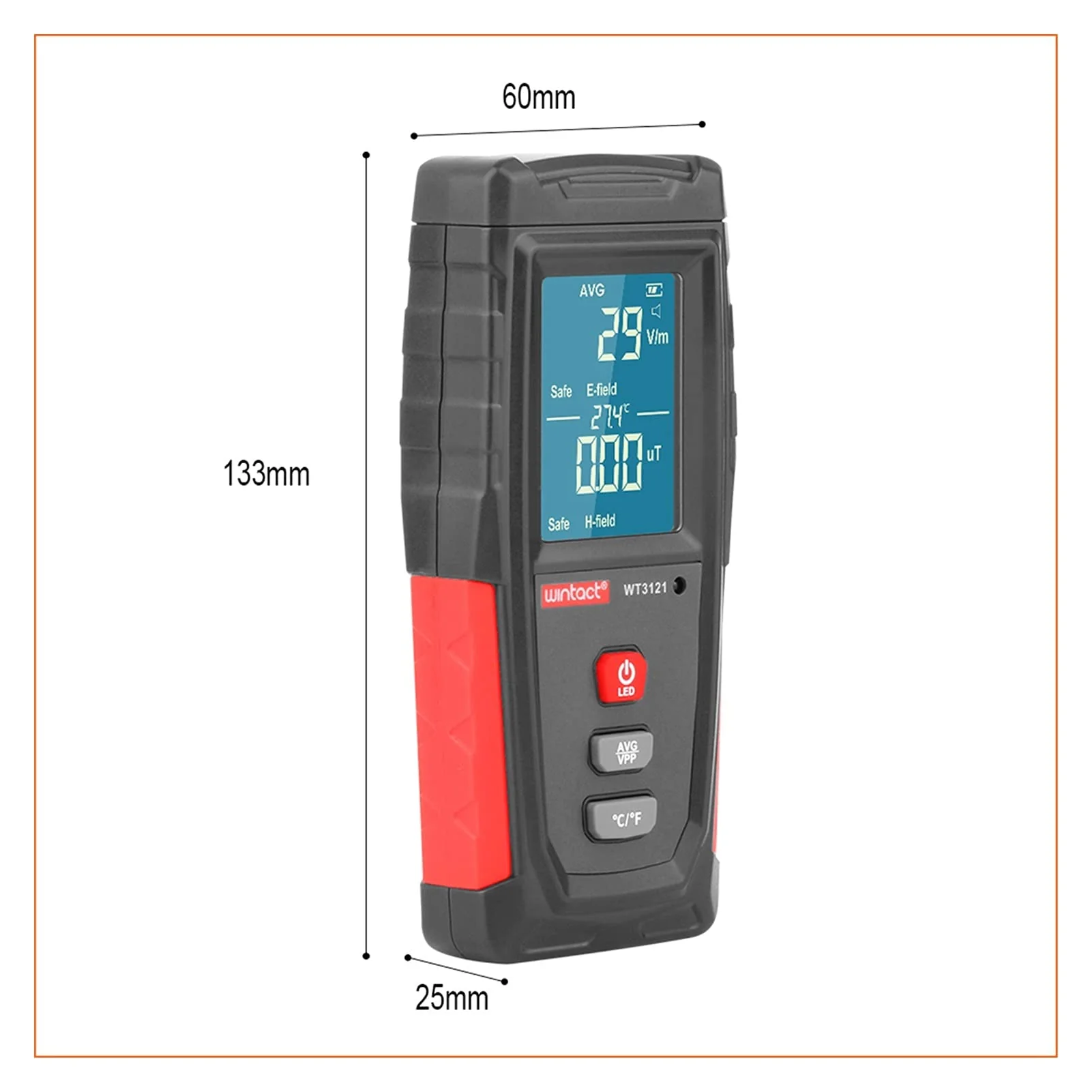
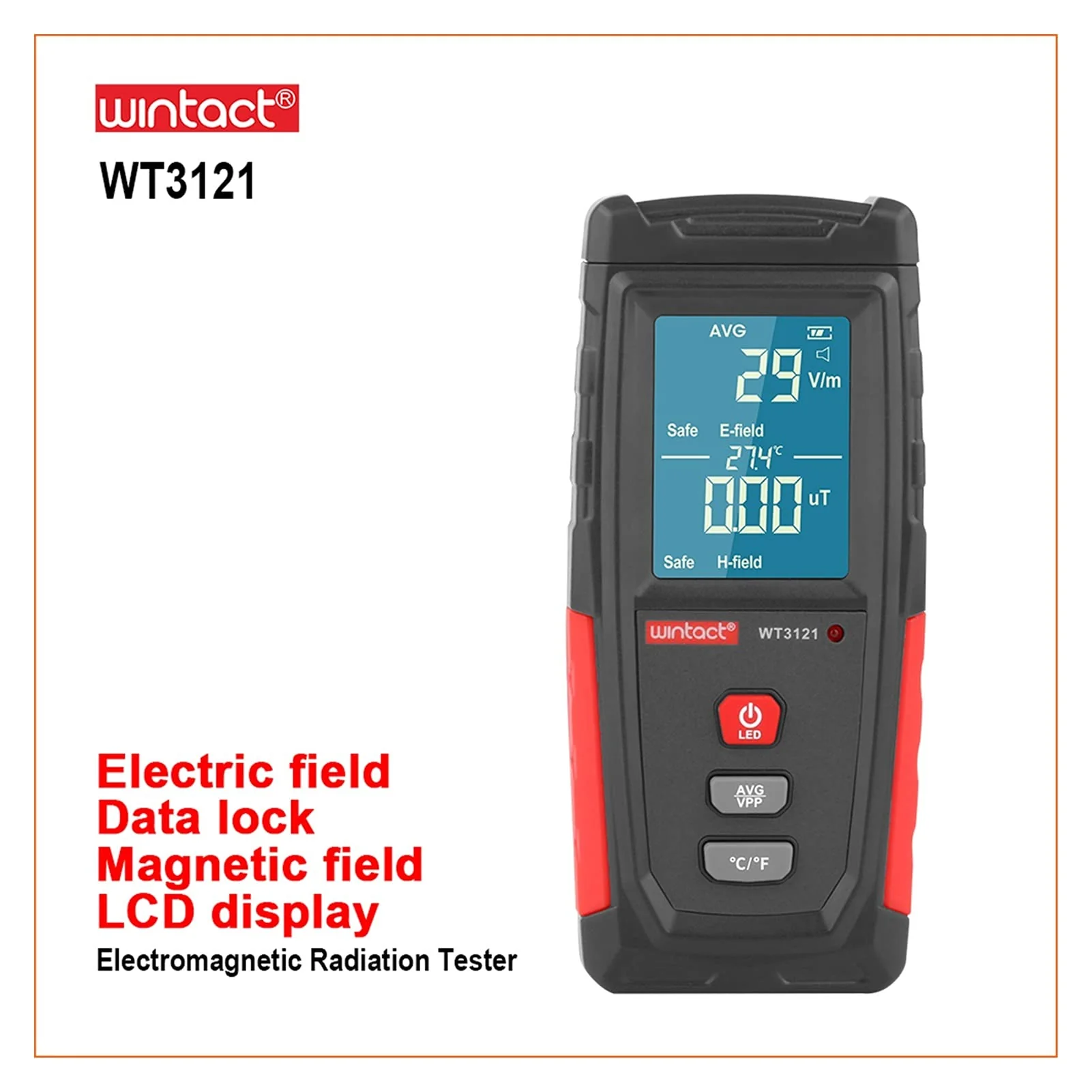
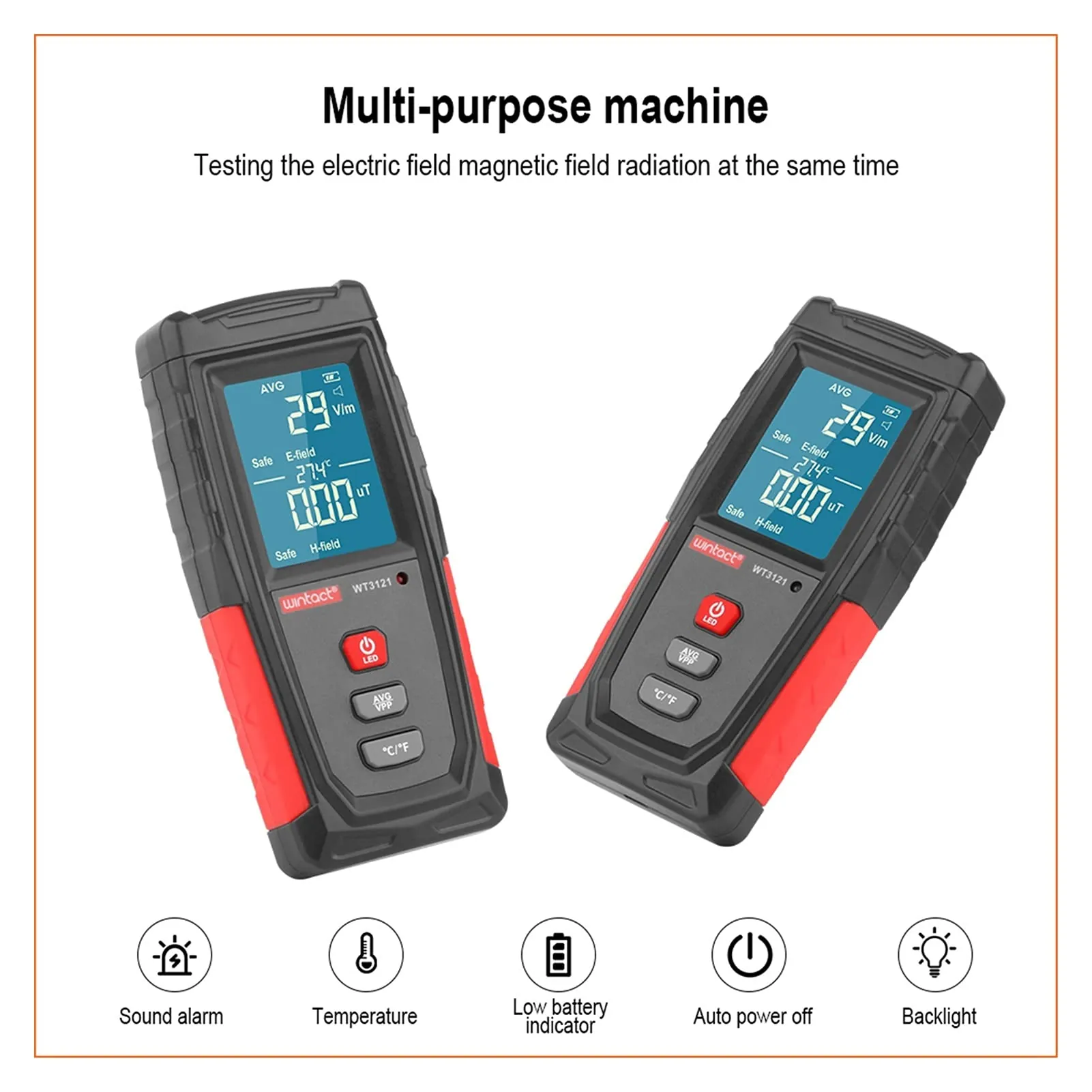
The Erickhill Electromagnetic Tester: Specs, Price & Honest Opinion
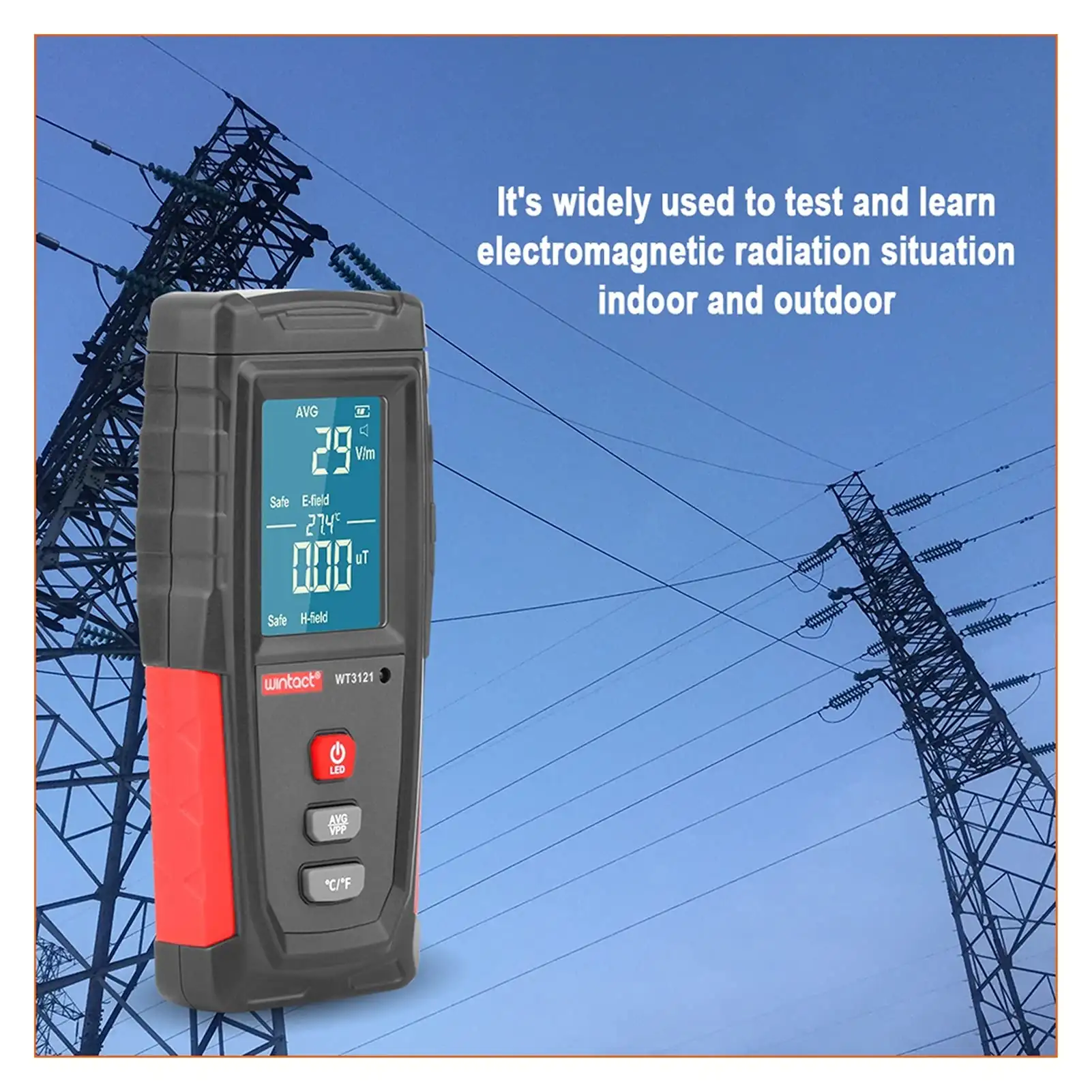
Right, let's get stuck in with the actual product. The Erickhill Electromagnetic Tester is priced at £40.43 and available through erickhill.co.uk. It's a British-made precision monitor designed for accurate environment tracking — both at home and in workplace settings.
For under thirty quid? That's genuinely decent bang for your buck.
| Feature | Erickhill Electromagnetic Tester | Budget Import Meters (£10-£15) | Professional Lab-Grade Meters (£200+) |
|---|---|---|---|
| Price | £40.43 | £10–£15 | £200–£800+ |
| Origin | British-made | Imported (variable QC) | EU/US manufactured |
| Dual-field measurement | Yes (electric + magnetic) | Often single-field only | Yes |
| Ease of use | High — intuitive interface | Variable | Moderate — requires training |
| Durability | Reliable, built for regular use | Questionable longevity | Industrial-grade |
| Suitable for SSoW documentation | Yes | Not recommended | Yes |
| Best for | SMEs, safety officers, home assessments | Casual curiosity | Labs, large industrial sites |
I've tried cheaper alternatives and they just don't cut it. The readings drift, the build quality is flimsy, and you certainly wouldn't want to base a legal safety document on data from a £12 meter you found on a marketplace site. Well, you could — but I wouldn't recommend it if your risk assessment ever needs to stand up to scrutiny.
The Erickhill tester sits in that sweet spot between affordability and reliability. It's not going to replace a £500 Narda unit in a high-voltage substation, but for the vast majority of workplace and smart home environments, it's spot on., popular across England
Looking for the right tool? Check the ERICKHILL EMF meter for workplace surveys for full UK specs.
Concerned about EMF from nearby infrastructure? There's a dedicated guide on how to measure EMF from pylons in the UK that's worth a read if your workplace is near overhead lines.
Smart Home Devices, Office Tech & EMF: The Growing Overlap
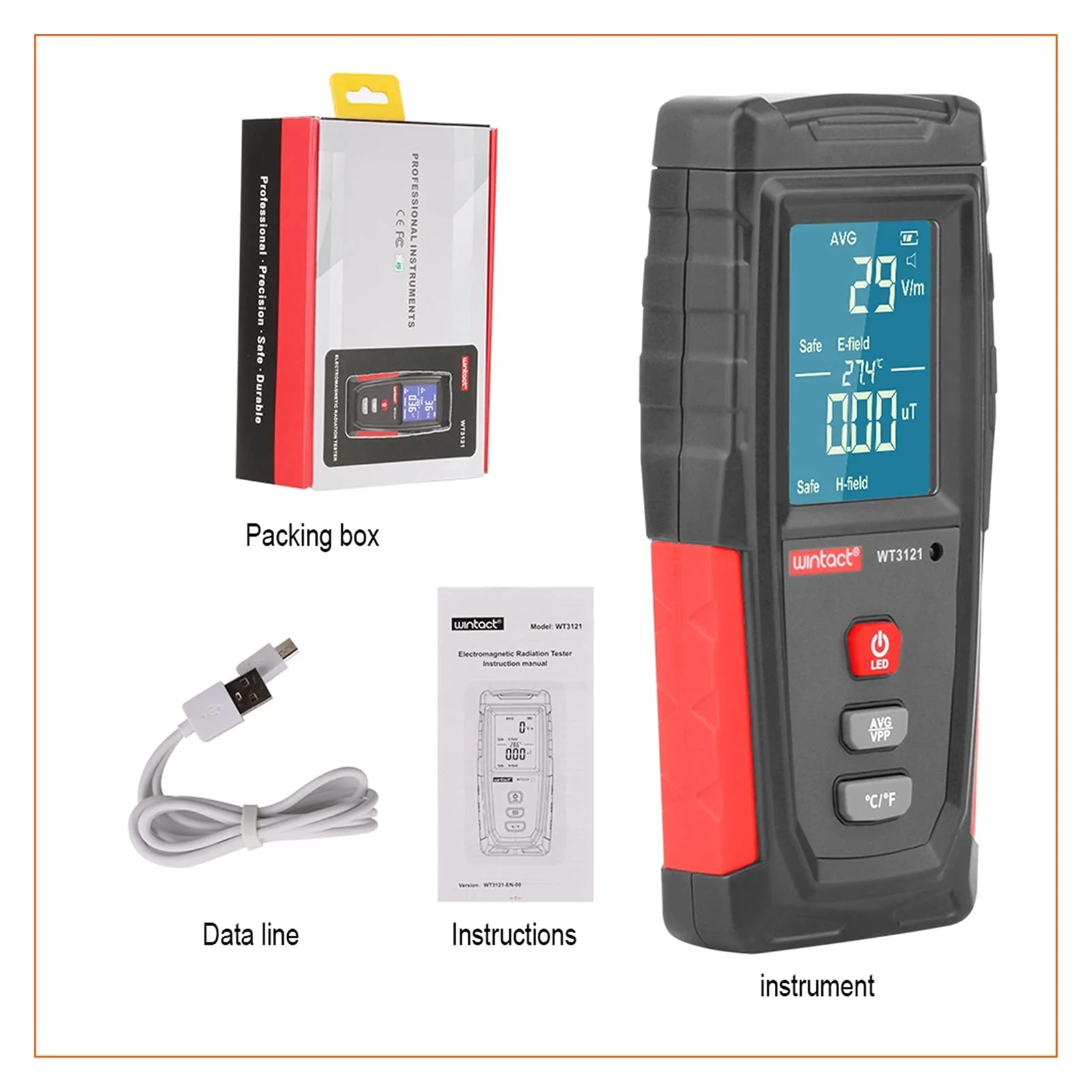
Here's something that doesn't get talked about enough. The line between smart home technology and workplace tech has basically disappeared. Think about it — your office probably has a smart home security camera system, smart meter in-home displays in the break room, Ikea smart home Matter products controlling the lighting, and a BT smart hub handling the Wi-Fi.
What is a smart home, really, if not a network of wireless devices constantly emitting electromagnetic radiation? And what's a modern office if not the same thing, but with more devices crammed into a smaller space?
Smart home sounds harmless enough. But when you've got 30 IoT devices in a 50-square-metre open-plan office — each one a source of RF emissions — the cumulative EMF environment changes. Ikea smart home products, wireless smart home charge pads, Bluetooth speakers, Wi-Fi access points... it all adds up. Nobody's mapping this stuff during fit-outs, and they really should be.
This is precisely why a safe system of work in 2026 needs to account for the electromagnetic environment, not just the obvious physical hazards like trailing cables and wet floors. The smart at home revolution has become the smart at work reality, and safety protocols need to keep pace.
For practical steps on reducing your exposure, this guide on reducing EMF exposure at home has tips that translate directly to office environments too.
Building Your Own Safe System of Work for EMF Hazards
So how do you actually put this into practice? Here's a framework I'd recommend based on the HSE's approach, adapted specifically for electromagnetic hazards.
Step 1: Survey Your Environment
Walk through the workplace with your Erickhill Electromagnetic Tester. Take readings at desk height (approximately 75 cm), head height, and floor level. Record readings near every significant electrical installation — distribution boards, server racks, industrial equipment, and clusters of wireless devices. Note the time of day, as EMF levels can fluctuate with usage patterns.
Step 2: Identify At-Risk Workers
Flag anyone with a medical implant. Identify pregnant workers. Note roles that require prolonged proximity to high-EMF sources — IT staff working near servers, maintenance engineers near switchgear, or warehouse operatives near induction sealing equipment.
Step 3: Compare Against UK Exposure Limits
Cross-reference your measured values against the action levels set out in the Control of Electromagnetic Fields at Work Regulations 2016. If readings approach or exceed the low action level of 1,000 µT for magnetic flux density at 50 Hz, you need to implement controls immediately., with availability in Scotland
Step 4: Implement Controls
Controls might include increasing distance from sources (the inverse square law is your friend here — doubling distance reduces field strength by roughly 75%), installing shielding, reducing exposure duration, or reorganising workstation layouts. Document everything.
Step 5: Review Quarterly
EMF environments change. New equipment arrives. Layouts shift. A proper safety procedure includes scheduled re-measurement — quarterly at minimum, or whenever significant changes occur. The BSI (British Standards Institution) publishes guidance on electromagnetic compatibility standards that can inform your review criteria.
Not safe for work? That phrase usually means something entirely different online. But in the context of EMF, "not safe for work" should describe any area where measured electromagnetic field levels exceed the action levels without adequate controls in place. That's the kind of reframing our safety culture needs.
Frequently Asked Questions

What is a safe system of work in UK law?
A safe system of work is a formal method of identifying workplace hazards and implementing controls to prevent harm. It's required under the Health and Safety at Work Act 1974 and the Management of Health and Safety at Work Regulations 1999. Employers have a legal duty to establish these systems for all work activities that carry identifiable risks, including exposure to electromagnetic fields.
How much does the Erickhill EMF tester cost?
The Erickhill Electromagnetic Tester costs £40.43 as of July 2026. It's a British-made dual-field meter that measures both electric and magnetic fields. At this price point, it's one of the most accessible reliable options for SMEs and safety officers who need accurate readings for workplace risk assessments without spending £200+ on lab-grade equipment.
What are the UK exposure limits for EMF at work?
The UK's Control of Electromagnetic Fields at Work Regulations 2016 sets a low action level of 1,000 µT and a high action level of 6,000 µT for magnetic flux density at 50 Hz. The exposure limit value for internal electric field strength is 0.1 V/m for the head and trunk. Employers must measure and document EMF levels wherever workers may be exposed above these thresholds.
Do smart home devices contribute to workplace EMF exposure?
Yes. Smart home devices such as Wi-Fi routers, wireless charging pads, IoT sensors, and smart lighting systems all emit electromagnetic radiation. Individually, levels are typically low — often under 5 mG at 30 cm distance. But in modern offices with 20–30+ connected devices, cumulative exposure can reach 15–20 mG at desk level, which warrants inclusion in EMF risk assessments.
How often should EMF measurements be repeated in a workplace?
EMF measurements should be repeated at least quarterly, or whenever significant changes occur in the workplace — such as new equipment installation, layout changes, or electrical system modifications. The HSE recommends ongoing monitoring as part of any structured safety procedure. Keeping a dated log of readings with your Erickhill meter creates an audit trail for compliance purposes.
Can I use an EMF meter for both home and workplace assessments?
Absolutely. The Erickhill Electromagnetic Tester at £40.43 is designed for both environments. At home, you can check smart meter displays, Wi-Fi routers, and appliances. At work, it's suitable for documenting readings near electrical panels, server rooms, and equipment clusters. The same measurement principles and UK exposure limits apply regardless of setting.
Key Takeaways
- A safe system of work is a legal requirement under UK law — it's not optional, and it must cover all identifiable hazards, including electromagnetic fields.
- EMF hazards are invisible but measurable. Without a reliable meter, you can't identify them, and your risk assessment has a gap.
- The Erickhill Electromagnetic Tester (£40.43) provides accurate dual-field readings suitable for workplace and home assessments — brilliant value for SMEs and safety officers.
- UK exposure limits are clearly defined: 1,000 µT low action level and 6,000 µT high action level for magnetic flux density at 50 Hz under the 2016 Regulations.
- Modern offices are EMF-dense environments. Smart devices, wireless networks, and IoT systems create cumulative exposure that safety protocols must address in 2026.
- Quarterly re-measurement is the minimum standard — EMF environments change with new equipment and layout modifications.
- Workers with medical implants need specific protections — even EMF levels below general action levels can interfere with pacemakers and insulin pumps.
Ready to try ERICKHILL?
Shop Now — £40.43